
 Back
BackJUNE 5, 2025
What Happens If Your Lease Has Excess Mileage?
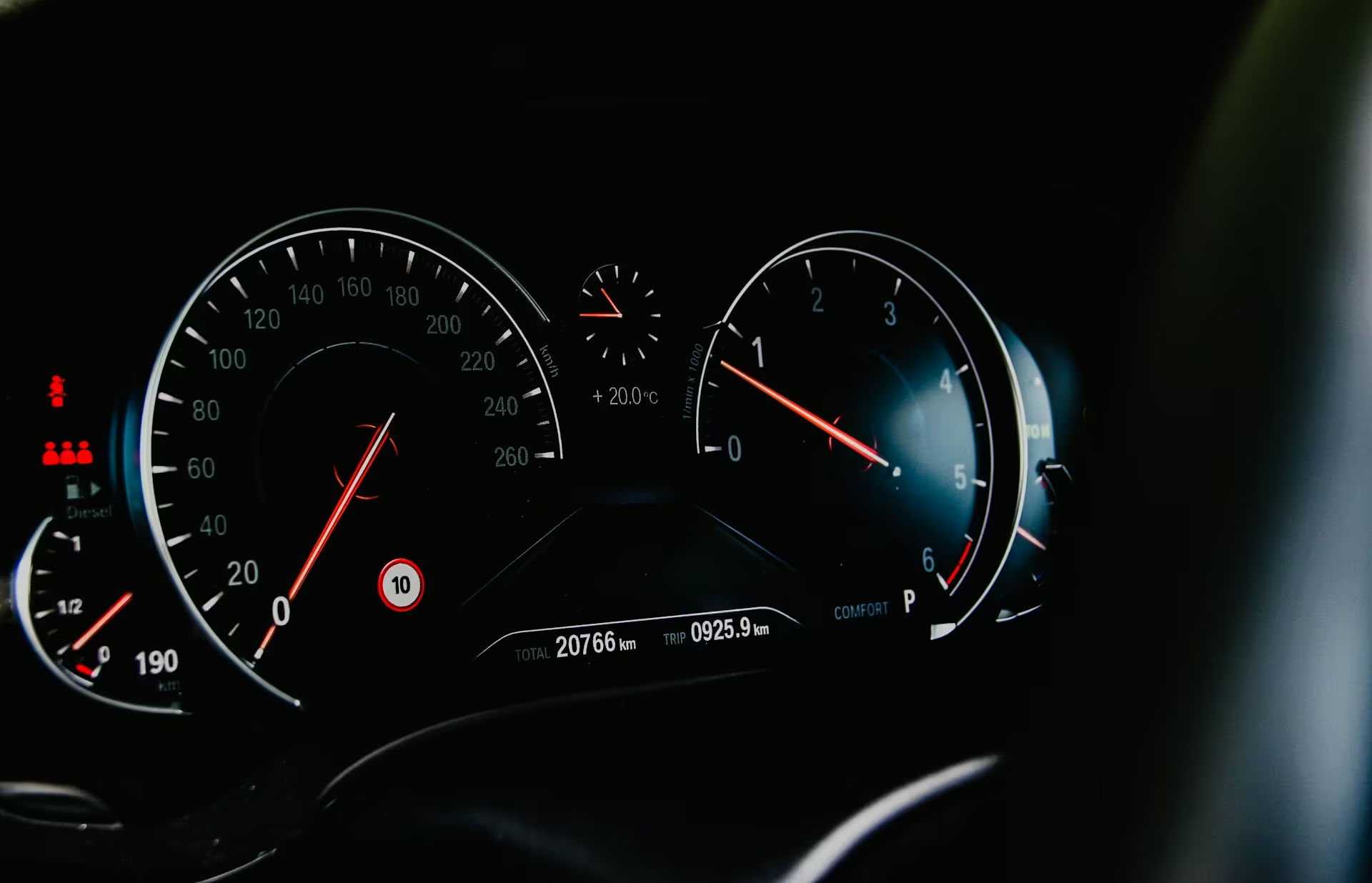
Excess mileage can create a lease-end charge, but returning the vehicle and paying the bill is not always your only option. The right decision depends on your contract, payoff, vehicle value, lender rules, and what you plan to drive next.
What excess mileage means
Every lease includes a mileage allowance. If the odometer is above that allowance when the vehicle is returned, the leasing company may charge a fixed amount for each additional mile. The rate is listed in your lease agreement.
A few hundred extra miles may create a manageable charge. Several thousand extra miles can materially change the best lease-end strategy. Before returning the vehicle, calculate the approximate charge and compare it with the other paths available to you.
Excess mileage is a number to evaluate, not a reason to rush into the first deal a dealership presents.

Your options when you are over the mileage limit
The right path depends on the lease contract, lender rules, current vehicle value, and your next-car plans.
- 1
Return the vehicle
You can return the lease and pay any mileage, wear, disposition, or other applicable lease-end charges.
- 2
Buy out the lease
Buying the vehicle may avoid an excess mileage charge, but the payoff, taxes, fees, financing rate, and market value still need to make sense.
- 3
Trade the vehicle
Depending on the lender and the vehicle's value, a trade may create a cleaner transition or preserve equity that would otherwise be missed.
- 4
Plan the next car first
Securing the replacement vehicle before returning the lease can prevent a deadline from forcing you into a weak deal.
Why the mileage charge cannot be viewed alone
A dealership may offer to "take care of" your excess mileage while quietly recovering that cost through a weaker discount, a marked-up rate, extra products, or a less competitive lease structure. The mileage issue appears solved, but the total transaction becomes more expensive.
Evaluate the current lease and the replacement vehicle separately. First determine the likely mileage charge, payoff, and market value. Then compare the new vehicle's selling price, incentives, payment structure, taxes, fees, and amount due at signing.
Saving a mileage charge does not help if the replacement vehicle costs even more because the rest of the deal was not negotiated correctly.
How Belgravia manages an excess-mileage lease transition
Belgravia is a California car buying service, not a listing site. You are assigned an advisor who helps review your current lease, understand the available exit paths, and plan the replacement vehicle before the return date creates pressure.
Your advisor can source virtually any new vehicle available through official dealerships across California, negotiate pricing on your behalf, and present the vehicles selected for you inside a private portal. The same process can coordinate a lease return, trade-in or vehicle sale, financing, paperwork, and delivery.
The goal is not merely to reduce the mileage problem. It is to protect the entire transaction so you leave the current lease and enter the next vehicle with the strongest available overall outcome.
Two money-back guarantees
Belgravia backs its service in two ways. If Belgravia does not fulfill its agreed obligation to source your vehicle, your service fee is protected. If you provide a written offer from an official dealership in your name and Belgravia cannot beat it, your service fee is refunded.
Over your lease miles?
Let a Belgravia advisor compare the return, buyout, trade, and replacement options before excess mileage pushes you into a rushed dealership deal.